


Introduction
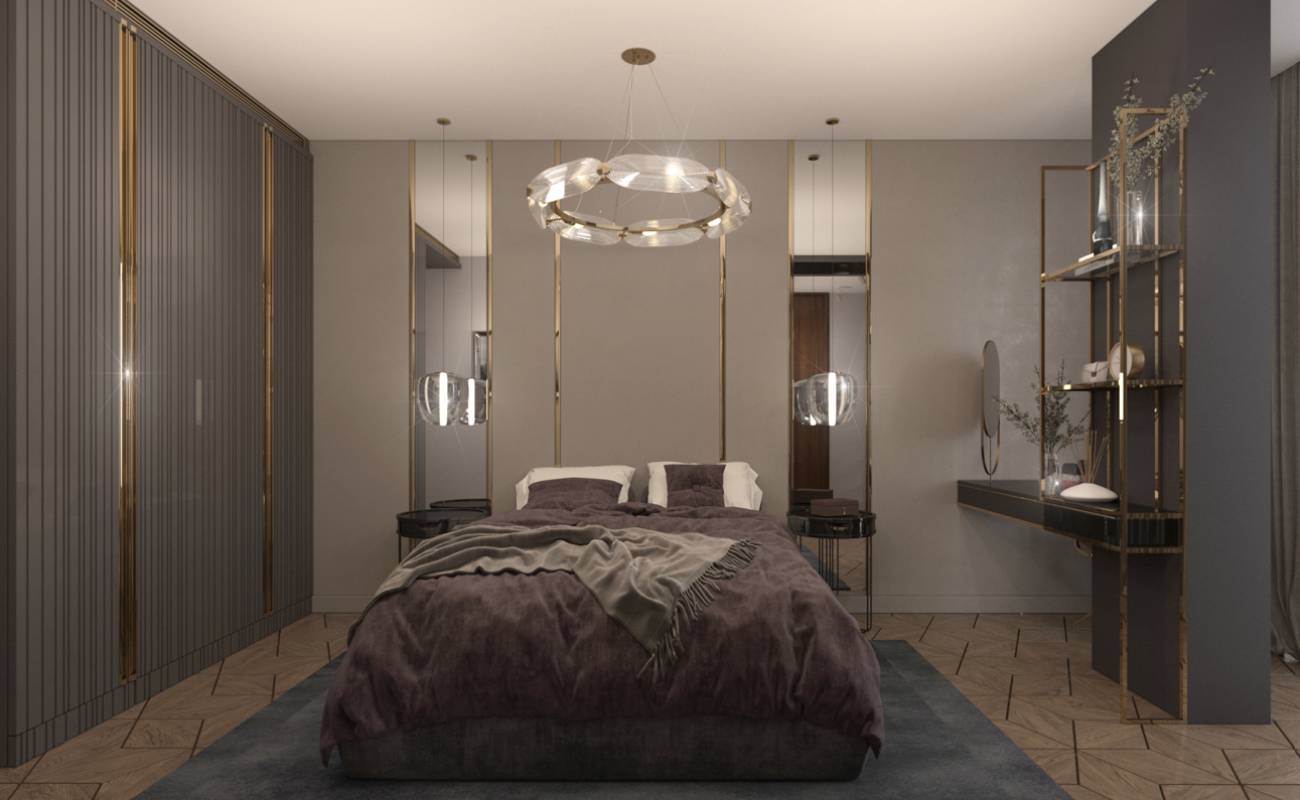
Interior architectural design is the process of designing living spaces in an aesthetic, functional, and practical manner. This process encompasses all stages from the initial design of a space to the final details, aiming to make the most of the space’s potential. So, what exactly is interior architectural design, and why is it so important? Let’s explore this together.
Definition of Interior Architectural Design
Interior architectural design is the process of arranging and designing an interior space according to its intended use. This process considers not only the aesthetic values of the space but also its functionality, user needs, and ergonomics. Interior designers combine their creativity and technical knowledge to bring out the potential of the space and provide the best experience for users.
Stages of Interior Architectural Design
- Needs Analysis and Survey: The first step in the project process is determining the needs of the space and its users. The interior designer conducts a detailed survey to understand the client’s expectations and desires.
- Concept Design: Based on the information obtained from the needs analysis, the general concept of the interior space is created. At this stage, details such as color palettes, furniture layouts, lighting, and decorative elements are determined.
- Detailed Design: After the concept design, detailed drawings and plans, which include all aspects of the space, are prepared. These plans also cover technical details such as electrical and plumbing layouts, wall and floor coverings.
- Implementation and Supervision: This is the process of putting the prepared projects into practice. The interior designer regularly supervises the construction site to ensure the project is implemented accurately and with high quality, making necessary adjustments when needed.
- Final Touches and Handover: After the project is completed, final touches are made to the space. Furniture is placed, decorative elements are added, and the space is made ready for use. The interior designer completes the process by handing over the project to the client.
Importance of Interior Architectural Design
Interior architectural design ensures that a space is not only visually appealing but also functional and practical. A well-executed interior design project enhances the value of the space and improves the quality of life for its users. Moreover, the balanced integration of aesthetics and ergonomics contributes to the longevity and sustainability of the space.
Conclusion
Interior architectural design is a comprehensive process aimed at making living spaces more aesthetic, comfortable, and functional. This process yields successful results through careful planning, creative design, and meticulous implementation. Whether in your home or workplace, interior architectural design can make your spaces more livable and valuable.